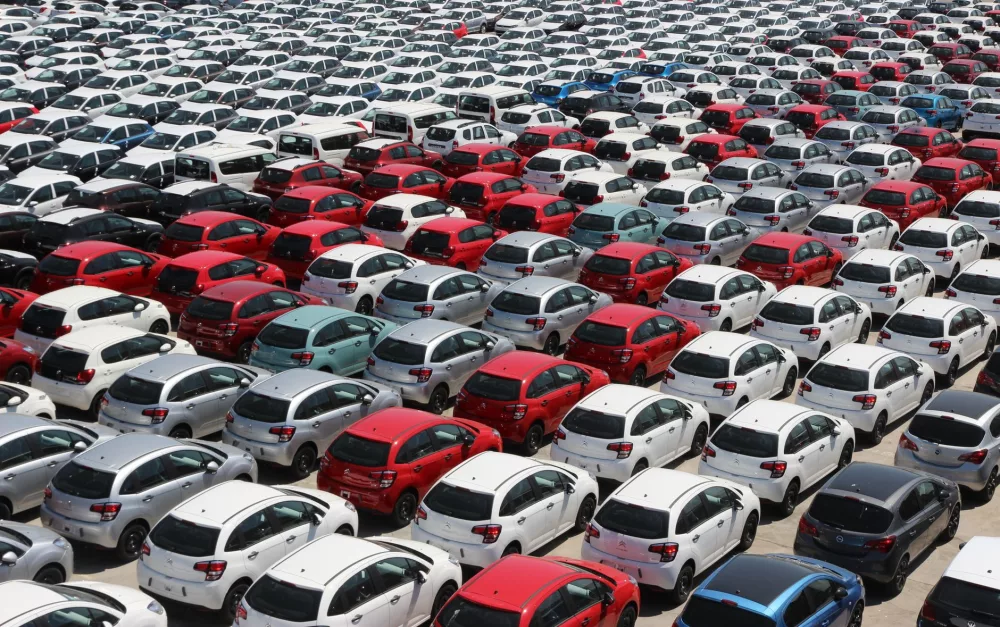
When you're running a used car operation, every single day a vehicle sits on your lot unsold, it's costing you money. Seriously, it's like a leaky faucet draining your profits. That's why I've been so focused on something called 'rapid recon' – it's an absolute game-changer for dealerships looking to boost their bottom line and keep inventory moving. It's not just a buzzword; it's a strategic approach to getting used cars front-line ready, super fast. From the moment a trade-in rolls in or an auction purchase arrives, the clock starts ticking. Our goal? To stop that clock from running up huge holding costs. This whole process, when done right, really makes a difference to a dealership's financial health.
What Exactly is Rapid Recon and Why Should You Care?
Okay, so what are we talking about when we say 'rapid recon'? Simply put, it's the systematic, expedited reconditioning of used vehicles. This means taking a car that's just come into inventory – maybe it's got a few dings, needs a good cleaning, or has some mechanical issues – and getting it into tip-top, retail-ready shape as quickly and efficiently as humanly possible. Think about it: a car can't sell if it's not ready to be shown. Every day it spends in the service bay, or waiting for parts, or getting detailed, is a day it's not generating revenue. Those holding costs pile up, and they can really eat into your profit margins, making a good deal turn sour pretty fast.
We're aiming to slash the time from acquisition to front-line readiness. The industry average for recon often stretches into days, sometimes weeks, and honestly, that's just too long. My experience tells me that if you can get that average down significantly, you'll see a noticeable positive impact on your gross profit per unit and your inventory turn rate. It’s all about creating an efficient flow that minimizes bottlenecks and maximizes the vehicle's time on the sales floor.
The Unseen Costs of Slow Recon
Many folks don't fully grasp the hidden expenses that creep up when recon processes are slow. It's not just the interest on your floor plan. Oh no, there's more to it than that. You're looking at depreciation – vehicles lose value every day they age, regardless of whether they're ready for sale. Then there are insurance costs, lot space occupation, and the opportunity cost of not having that particular vehicle available for a potential buyer who walks in today. If a customer wants a blue sedan and yours is stuck in detailing for another three days, you've probably just lost that sale. We've got to understand that every minute counts in this business.
Breaking Down the Rapid Recon Process: Step by Step
So, how do we actually *do* this rapid recon thing? It's really about a series of coordinated steps, all designed to move the car forward without unnecessary delays. It begins the instant a used vehicle is acquired, whether through trade-in, auction, or other channels. Here’s how I usually see it laid out:
- Initial Inspection and Triage: This is the very first step. A qualified technician does a quick, yet thorough, inspection to identify immediate needs. We’re talking about safety issues, obvious mechanical problems, and cosmetic damage. The goal here is to determine the scope of work right away. We can't waste time guessing.
- Estimate and Approval: Based on the inspection, a detailed reconditioning estimate is generated. This needs to happen fast. Management or the used car manager reviews and approves the work, prioritizing what absolutely needs to be done to make the car retail-ready and what might be considered 'optional' for value enhancement. Communication here is absolutely key; no back-and-forth delays!
- Mechanical Repairs: Once approved, the vehicle heads to the service bay. Here, technicians address any mechanical issues flagged during inspection. This could be anything from an oil change and tire rotation to brake jobs or more complex engine diagnostics. Having dedicated bays or a dedicated team for recon vehicles can seriously speed this up.
- Body Shop and Paintwork (If Needed): If there are dents, scratches, or more significant body damage, the car moves to a body shop. Again, efficiency is paramount. Maybe it's a paintless dent repair, maybe it's a bumper scuff, whatever it is, we want it done quickly and to a high standard.
- Detailing and Reconditioning: This is where the car truly gets its sparkle back. A professional detail crew cleans the interior and exterior, addresses minor cosmetic flaws, and ensures the vehicle looks its absolute best. A clean, well-presented car sells faster and often for a better price. I can't stress the importance of a top-notch detail enough.
- Photography and Online Listing: As soon as the car is detailed and polished, it should be immediately moved to a dedicated photo booth. High-quality photos and sometimes even a 360-degree video are taken. These images are then swiftly uploaded to your dealership’s website and other online marketplaces. The quicker it’s online, the sooner someone can find it!
- Final Quality Control: Before it hits the front line, a final inspection ensures all work is completed to standard, everything is functioning correctly, and the vehicle is truly retail-ready. This isn't just about catching errors; it's about maintaining our reputation.
Leveraging Technology to Supercharge Your Recon
You know, in today's world, doing this manually just isn't going to cut it if you want to be truly rapid. Technology plays a massive role in optimizing this entire flow. We’re talking about specialized rapid recon software that helps manage every step of the process. These platforms often include features like:
- Digital Workflows: Eliminating paper trails and allowing instant communication between departments – from acquisition to service, parts, detailing, and sales.
- Real-time Tracking: Knowing exactly where each vehicle is in the recon pipeline at any given moment. This helps identify bottlenecks instantly.
- Automated Notifications: Sending alerts to the next department as soon as a task is completed, ensuring seamless transitions.
- Performance Analytics: Tracking key metrics like recon time, costs per vehicle, and identifying areas for improvement. This data is invaluable for continuous refinement.
By integrating these tools, we're not just speeding things up; we're also making the whole process transparent and accountable. Everyone knows their role and the deadlines they need to hit. It really streamlines things.
Building a Rapid Recon Culture
It’s not just about the tools and the steps, though. A huge part of successful rapid recon is the culture you foster within your team. This isn't a one-person job; it requires a collective effort and a shared commitment to efficiency. We're talking about:
- Cross-Departmental Communication: Sales, service, parts, and detailing teams need to be in constant, clear communication. They’re all part of the same assembly line.
- Empowered Teams: Giving technicians and detailers the autonomy and resources to do their jobs effectively, without constant micromanagement.
- Ongoing Training: Ensuring everyone involved understands their role, new technologies, and best practices to keep improving.
- Accountability and Incentives: Setting clear expectations for recon times and potentially tying performance to incentives. When people are motivated, they perform better, right?
When you build a culture where everyone understands the critical importance of speed and quality in recon, that’s when you really start to see amazing results. It's about working smarter, not necessarily harder.
The Bottom Line: What Rapid Recon Means for Your Dealership
Ultimately, embracing rapid recon isn't just about fixing cars faster; it's about making your entire used car operation more profitable and competitive. We're talking about significantly reducing holding costs, boosting your inventory turn, and getting a higher gross profit per unit. It also enhances your customer experience because you've got a fresh, high-quality inventory ready to go. When you’re efficient, you can also often offer a better price to the customer, making your dealership more attractive.
In today's fast-paced market, the dealership that can get a quality used vehicle from acquisition to the sales floor in the shortest amount of time often wins. It's a strategic advantage that pays dividends, and honestly, if you're not focusing on it, you're leaving money on the table. It just makes good business sense, you know?